
Bodily Injuries and Personal Injury Claims
February 17, 2026

Understanding Bodily Injuries
In California, bodily injuries are a common occurrence. and they can happen to anyone at any time. In the legal setting, bodily injuries are physical injuries that someone may sustain due to an accident, negligence, recklessness, or intentional act of another person or entity. They can range from minor cuts and bruises to severe injuries that result in permanent disability or casualty. If you have suffered a bodily injury because of others’ activities or omissions to act, you may have a legal claim for compensation under personal injury law. In California, personal injury law allows you to recover damages for the bodily injuries, property damage, or other harm you or a close person has suffered.
Types of Bodily Injuries
There are many types of bodily injuries that can result from accidents or incidents caused by another party. Here are ten common types of bodily injuries in the context of personal injury law:
- Soft Tissue Injuries - Soft tissue injuries refer to damage to muscles, tendons, and ligaments. Examples include sprains, strains, and contusions to soft tissues of the body.
- Whiplash Injuries - Whiplash is a common injury that happens when the neck is suddenly and forcefully jerked forward and backward, causing damage to the muscles, tendons, and ligaments in the neck.
- Cuts and bruises - Cuts and bruises are common injuries and can be caused by a variety of accidents. They can range from minor to severe and can cause pain, swelling, and scarring.
- Internal Injuries - Internal injuries occur when an internal organ or blood vessel is damaged or ruptured. Some internal injuries may not be immediately apparent, and symptoms may not show up until hours or even days after the injury occurs. Symptoms can include pain, swelling, internal bleeding, and difficulty breathing.
- Burn Injuries - Burns can result from fires, explosions, electrocution, and exposure to hot liquids or chemicals. They can cause severe pain, scarring, and disfigurement.
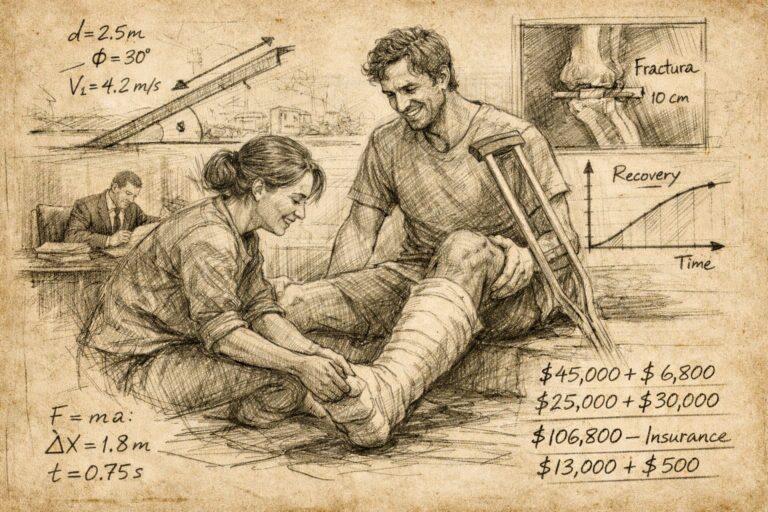
- Fractures and Broken Bones - Fractures and broken bones can be severe and require extensive medical treatment, including surgery and rehabilitation.
- Amputations - Amputation injuries occur when a body part is severed or partially severed, such as a limb or a finger. The physical and emotional impact of amputation can be significant, and it can affect a person's ability to work, perform daily tasks, and participate in recreational activities.
- Head injuries - This is a serious type of injury that can range from mild bruises to more severe traumatic brain injuries (TBI). Traumatic brain injuries occur when there is a sudden impact on the head, which leads to brain damage. These injuries can range from mild concussions to severe brain damage and can have lifelong consequences for the victim. Such damage can cause cognitive, emotional, and physical impairments.
- Back and Neck Injuries - These injuries are another common type of injury that occurs in accidents. Back injuries can range from minor strains and sprains to more serious injuries such as herniated discs. Neck injuries can include whiplash and other types of injuries to the neck, which can be expressed by pain, stiffness, and limited range of motion.
- Spinal Cord Injuries - These injuries can occur due to a traumatic accident and can result in partial or complete paralysis, chronic pain, loss of sensation, and other related complications.
Personal Injury Law in California
In California, personal injury law, also known as tort law, is designed to protect the rights of those who have sustained bodily injuries or property damage due to someone else’s activity or failure to act. It encompasses a wide range of incidents, from car accidents and slip and falls to medical malpractice and defective products. Personal injury law allows injured individuals to seek compensation from the responsible party for their damages.
If you have sustained bodily injuries due to someone else’s actions or wrongful inactivity, you may be entitled to compensation for your injuries. In California, you can seek compensation for economic, non-economic, punitive, and other damages.
In order to file a successful personal injury claim, you must prove that the other party was at fault in causing your injuries. This can be done by showing that the other party was negligent, careless, reckless, or acted intentionally. Sometimes in personal injury cases, a legal concept called strict liability may apply. Strict liability is a legal theory that holds a person or company liable for damages or injuries caused by their actions, regardless of whether they were negligent or intended to cause harm. For instance, a manufacturer of a product can be strictly liable for injuries caused by their defective products, or a construction company involved in abnormally dangerous activities can be strictly liable for injuries and damages caused by their activities.
California follows the doctrine of comparative negligence, which means that if you are partially responsible for your injuries, your compensation will be reduced proportionally to your level of fault. For example, if you are 20% responsible for your injuries, your compensation will be reduced by 20%.
What is a Typical Personal Injury Claim?
In California, personal injury law covers a wide range of accidents and injuries, including but not limited to:
- Car accidents: Car accidents are one of the most common causes of bodily injury in California. If you were injured in a car accident due to the negligence of another driver, you may be able to file a personal injury claim against the at-fault driver and their insurance company.
- Pedestrian accidents: Pedestrian accidents can result in serious injuries, including broken bones, head trauma, and spinal cord injuries. California law requires drivers to yield the right of way to pedestrians in crosswalks. However, drivers often fail to notice pedestrians on the road, leading to accidents.
- Motorcycle accidents: Motorcycle accidents can result in serious bodily injuries and even death. California is a lane-splitting state, which means that motorcycle riders are allowed to ride between lanes of traffic. Unfortunately, this can also make motorcycle accidents more common.
- Slip and fall accidents: Slip and fall accidents can happen anywhere, from a grocery store to a relative’s home. If you slipped and fell due to a hazardous condition that the property owner failed to address, you may be able to file a personal injury claim against the property owner.
- Product liability: If you were injured by a defective product, you can file a product liability claim. Product liability occurs when a manufacturer produces a product that is defective and causes harm to the user. In California, manufacturers, sellers, and everyone in the chain of distribution of defective products are strictly liable for the injuries and damages caused by their products.
- Premises liability: Premises liability claims arise when a person is injured on someone else's property due to a hazardous condition. Property owners have a duty to keep their premises safe for visitors. Examples of premises liability claims may include slip and falls, dog bites, and swimming pool accidents on someone else’s property.
- Dog bites: Dog bites can cause serious injuries such as puncture wounds, infections, and scarring. In California, dog owners are strictly liable for injuries caused by their dogs.
- Assault and battery: If you were assaulted or battered by another person, you may be able to file a personal injury claim against the perpetrator. Assault and battery are intentional acts that result in bodily and emotional harm to the victim.
- Nursing Home Abuse: Nursing home abuse occurs when elderly or disabled residents of nursing homes or other care facilities are mistreated, abused, or neglected by staff members.
- Medical malpractice: If you were injured due to a healthcare professional's negligence, you may be able to file a medical malpractice claim. Medical malpractice occurs when a healthcare professional fails to provide the appropriate standard of care, resulting in harm to the patient.

What to Do If You Have Been Injured?
If you are injured in an incident, whether it is a car accident, product liability, premises liability, medical malpractice, assault, or any other situation, there are several steps you may take at the scene or immediately thereafter. These steps can help protect your health and safety, preserve evidence, and ensure that you have the best chance of recovering compensation for your injuries. Here are some of the key steps you can take:
- Seek medical attention: Your health and safety should always be your top priority. If you or other people are injured, seek medical attention immediately, either by calling 911 or going to the nearest emergency room as soon as possible. Even if you don’t think you are seriously injured, it is important to get checked out by a medical professional, as some injuries may not be immediately apparent.
- Report the incident: Report the incident to the appropriate authorities or parties as soon as you can. This may include calling the police, filing an incident report, or reporting the incident to a supervisor at work. If the accident occurred on someone else’s property, report the accident to the property owner or manager. If the accident involves a motor vehicle, report the accident to the police, especially when you are not at fault. The police will create a report that documents the details of the accident, which can be important later on if you need to file a personal injury claim. Be sure to get a copy of the police report.
- Gather information: If possible, gather as much information as you can about the incident and the people involved. This may include taking pictures of the accident scene and damages caused, collecting contact information from witnesses, and exchanging insurance and contact information with other parties (e.g., with other drivers if involved in a car accident). Obtain surveillance camera recordings from nearby homes or businesses, and cellphone or dash camera recordings from passersby, if possible.
- Preserve evidence: If you have been injured due to someone else’s wrongdoing, it is important to preserve any evidence that may support your claim. This may include taking and keeping pictures of your injuries, saving any damaged clothing or property, and keeping track of any medical bills and reports, proof of lost wages, and other relevant evidence.
- Consult with an experienced personal injury lawyer: Finally, it is important to consult with an experienced lawyer as soon as possible.
NOTE: These steps are general guidelines and may not apply to every situation. The specific steps you should take will depend on the circumstances of your case. Remember, it is always important to consult with a licensed, practiced lawyer. A lawyer can help you understand your legal rights, evaluate your damages, advise you on your legal options, investigate the circumstances of your legal situation, manage your case, negotiate with liable parties and their insurance companies, file a lawsuit if needed, represent you in court, and help you recover compensation for your injuries and other losses.
Bodily injuries can sometimes be severe and long-lasting and can have a significant impact on a person’s life, resulting in physical, emotional, and financial damages. In California, personal injury law provides victims with the opportunity to recover compensation for their damages caused by another person’s negligence or wrongdoing. With the right legal representation, you can effortlessly navigate the complex legal system with peace of mind, and get the compensation you deserve.
